AFR 499 Development and Sustainability in Morocco

AFR 499 Development and Sustainability in Morocco

This course explores development and sustainability, offering students a critical perspective on these issues within the African context.

During the education abroad component in Morocco over fall break 2026, students will apply classroom concepts to real-world examples and engage in ongoing research and development projects.

Activities in Morocco:

  • Explore high elevation communities to examine “resilience” in the face of climate change and the 2023 earthquake
  • Study in Agdal (a traditionally managed grazing area) to investigate “the tragedy of the commons” and sustainable resource governance
  • Experience the traditional bread-making process, and explore how culture and government flour subsidies influence political stability
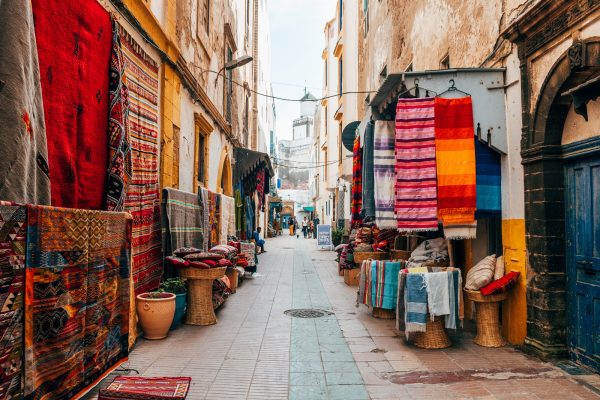
  • Tour traditional and modern markets to analyze changing food systems and their impact on diet and health outcomes
  • Discover one of the largest solar plants in the world and assess its effects on nearby communities
  • Learn about resource extraction at one of the largest phosphate mines and consider the “resource curse”
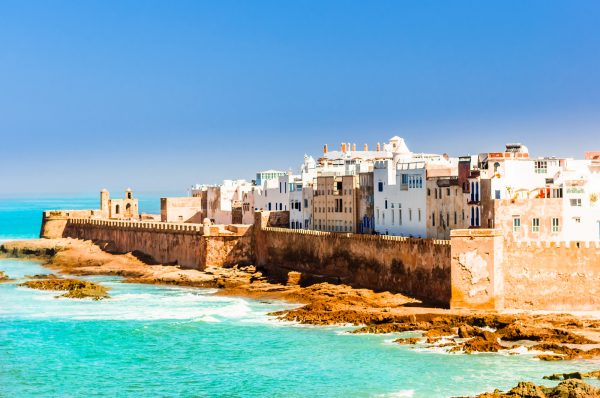
  • Visit the Argan forests of Essaouira to explore sustainable forest management and the role of non-timber forest products in livelihood development
  • Engage with African Diaspora communities to understand Morocco’s connections to the broader world

This course is taught in English and is open to all majors and semester classifications.

Program Dates: November 21-29, 2026. Students will need to depart the United States on November 20 as the official in-country program start date is November 21, 2026.

This program is open to students taking AFR 105, AFR 110, AFR 205, AGECO 134N, CED 102N, ANTH 40, GEO 030, or GEOG 230 in the fall 2026 semester as well as students who have taken one of these courses in a prior semester. Students who commit to the program will be manually enrolled in the 1-credit embedded travel course, AFR 499.

Students should review their academic term plans to determine any financial implications, especially if you plan to take over the maximum 19 credits in a semester. Students can anticipate actual charges using the University’s updated Tuition Calculator.
  • Program Fee: Maximum of $2,550.
  • Airfare: Students will need to purchase their own roundtrip airfare with guidance from the faculty leader.
  • In-Country Costs:Please consult with your faculty leaders about the amount of money to bring to cover the costs of meals and any additional spending money.

Please note: The Program Fee will be billed to participants’ Penn State Bursar accounts in late July and payment will be due on August 22.

  • The Program Fee includes: hotel accommodations (based on double or triple occupancy, breakfast included); transportation to/from the airport in Marrakech; several group lunches and dinners (but not all); transportation and fees related to program activities in Morocco; emergency and administrative support.
  • The Program Fee does NOT include: airfare; transportation to/from US airport; some meals; spending money (souvenirs, etc.); course/credit tuition or fees; passport or visa fees.

Please note: Students are expected to arrange and pay for their own flights to/from Marrakech, Morocco (with guidance from the faculty leader about arrival/departure time windows); the group will not be traveling together.

Travel Insurance: It is recommended that students purchase travel insurance with “Cancel for Any Reason” coverage.

To officially commit to the program, thoroughly read and submit the Official Financial Commitment Form by June 15, 2026. 

Students must fill out this form in order to be registered for the 1-credit embedded travel course, AFR 499.

Interested students with questions may email Abderrahim Ouarghidi at auo45@psu.edu.  

There are several official avenues for embedded program funding within the University. The primary ways are through Liberal Arts Enrichment Funding and Penn State Global, but students can also explore funding opportunities through their academic department or Undergraduate Research and Fellowships Mentoring.
Learn more about funding for embedded programs

Previous Programs

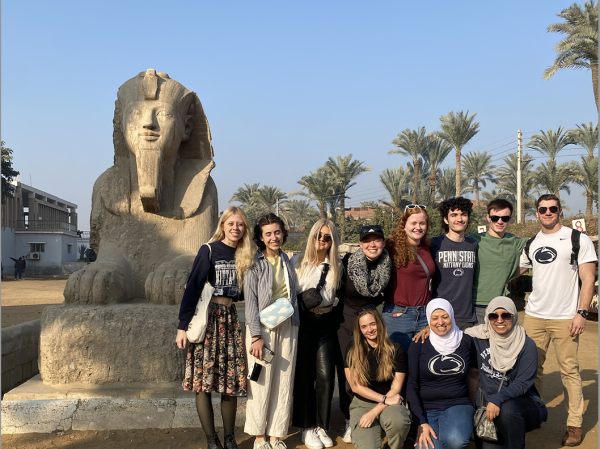
During a previous winter break, students taking ARAB 099/499 traveled to Cairo, Egypt, as part of the “Youth Life in Egypt” embedded program in the College of the Liberal Arts. The seven-day trip allowed students to apply their studies in context and visit a local university to interact with its students.  

Get career ready!

Embedded programs help students to gain key skills that employers are most looking for in college graduates, according to the National Association of Colleges and Employers (NACE). Below are 1–2 major competencies students can start to develop by participating in this program.

Career and Self Development

Display curiosity, initiative, and a drive for personal growth by actively seeking out the opportunity to apply concepts from your classes into a real-world context, such as globalization and multicultural encounters.

Equity and Inclusion

Understand important aspects of multiculturalism and learn how to utilize your global perspectives/interactions for use in America’s multilingual society.

Want to hear more? Meet with a Liberal Arts career coach in the Career Enrichment Network to discuss your experience and identify even more ways that this program can enhance your personal and professional development!

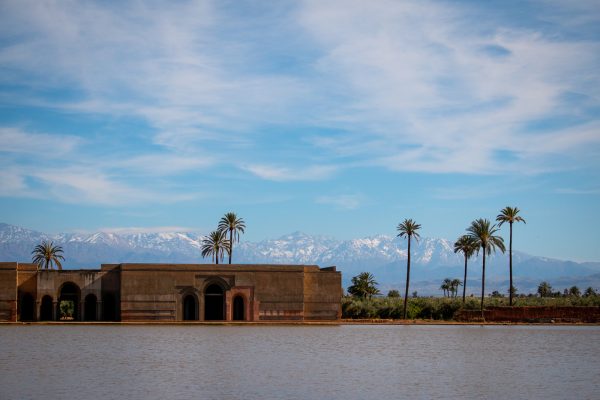
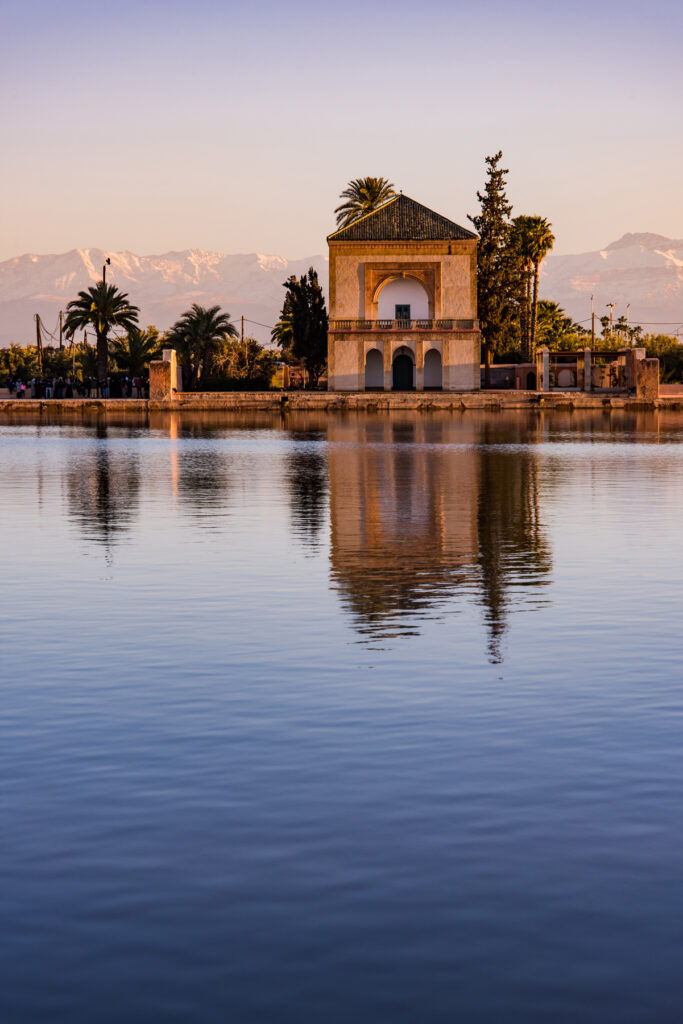
Menara Gardens Pavilion, Morocco
Future Students
CURRENT Students
Graduate Students
Get Funding

Upcoming Events